Sewer Lines
7 Signs Your Main Sewer Line May Be Clogged
Learn the warning signs of a clogged main sewer line, what you can safely check, and when it is time to call a drain and sewer professional.
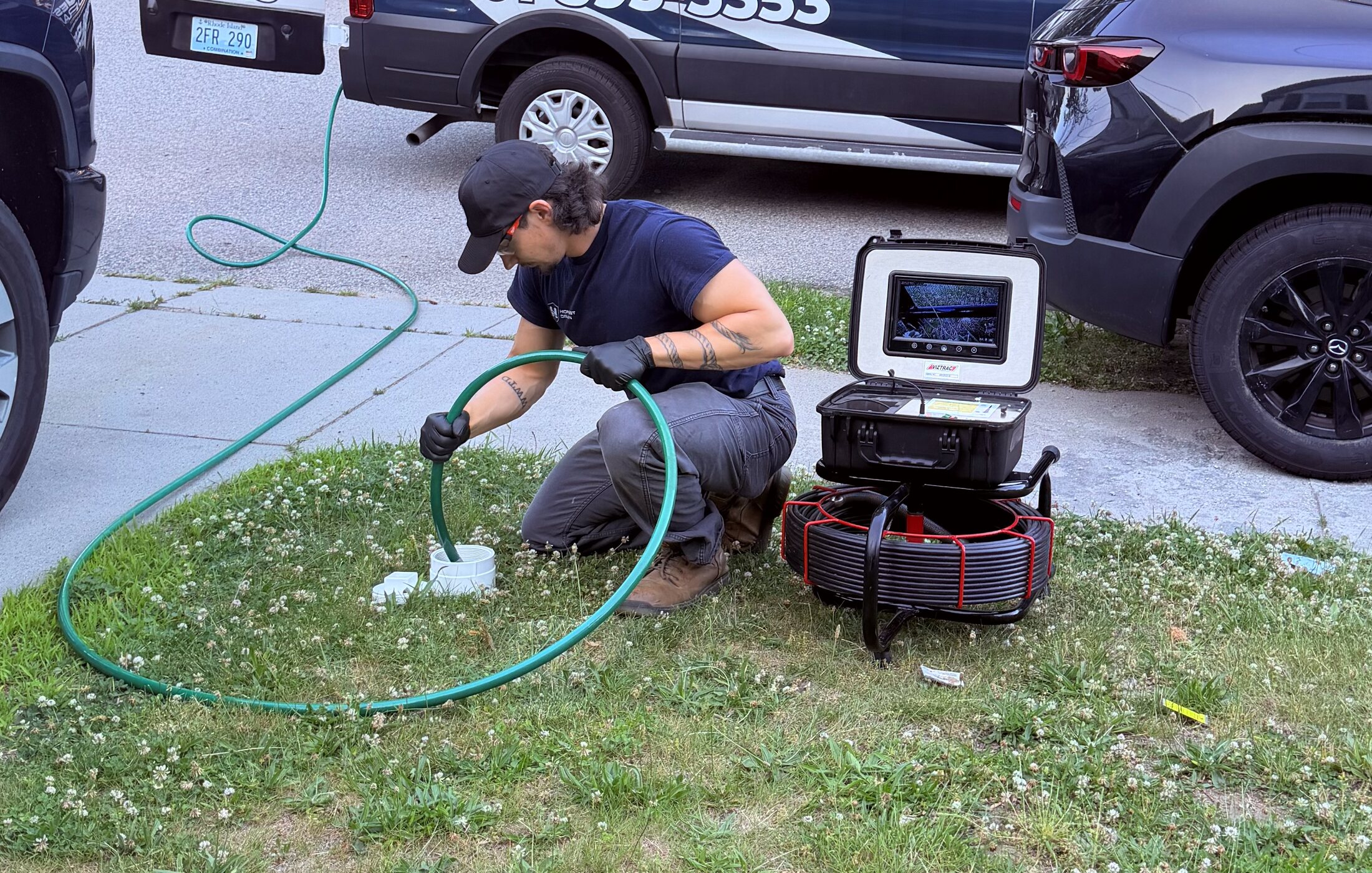
A slow sink usually points to a problem close to that fixture. When several drains start acting up at the same time, the main sewer line may be the shared cause.
That line carries wastewater away from every drain in the building. A restriction can affect the whole plumbing system and may eventually send wastewater back through the lowest drain. Catching the warning signs early can turn an emergency cleanup into a more controlled service call.
1. More than one drain is slow
One slow tub or sink may have a local buildup of hair, soap, or grease. Pay closer attention when drains in different rooms slow down together—especially a toilet, tub, and floor drain.
The fixtures share the main line, so a restriction farther downstream can reduce flow throughout the property.
2. A toilet gurgles when another fixture drains
Gurgling can happen when air is displaced by water trying to move past a partial blockage. You might hear it after running a sink, draining a bathtub, or using the washing machine.
An occasional sound is not a diagnosis by itself. Repeated gurgling combined with slow drainage is a stronger reason to have the system checked.
3. Water appears in a different fixture
Water coming up in a tub or shower when a toilet flushes is a serious warning sign. The same is true when the washing machine drains and water rises through a nearby floor drain.
Wastewater follows the easiest available path. If the main line cannot carry it away, the lowest open drain can become that path.
4. The lowest drain backs up first
Basement floor drains, first-floor showers, and low cleanouts often show a main-line problem before higher fixtures do. Look for standing water, dampness, residue, or a sewage odor around these locations.
Avoid using more water if sewage is entering the building. Every flush, shower, and appliance cycle adds volume behind the blockage.
5. You notice a persistent sewer odor
A dry drain trap can cause an odor and may be solved by restoring water to the trap. An odor that persists—or appears alongside gurgling, slow drains, or backup residue—deserves a closer look.
Sewer gas and wastewater should not be entering occupied areas. Ventilate the space, keep people and pets away from contaminated water, and arrange service if the source is not obvious.
6. Cleanouts show standing water or overflow
A sewer cleanout gives a professional access to the line. Water or waste around its cap can indicate that the pipe is holding water instead of carrying it away.
Do not remove a pressurized cleanout cap yourself. Wastewater may be trapped behind it and can spill rapidly when the cap is loosened.
7. The problem keeps returning
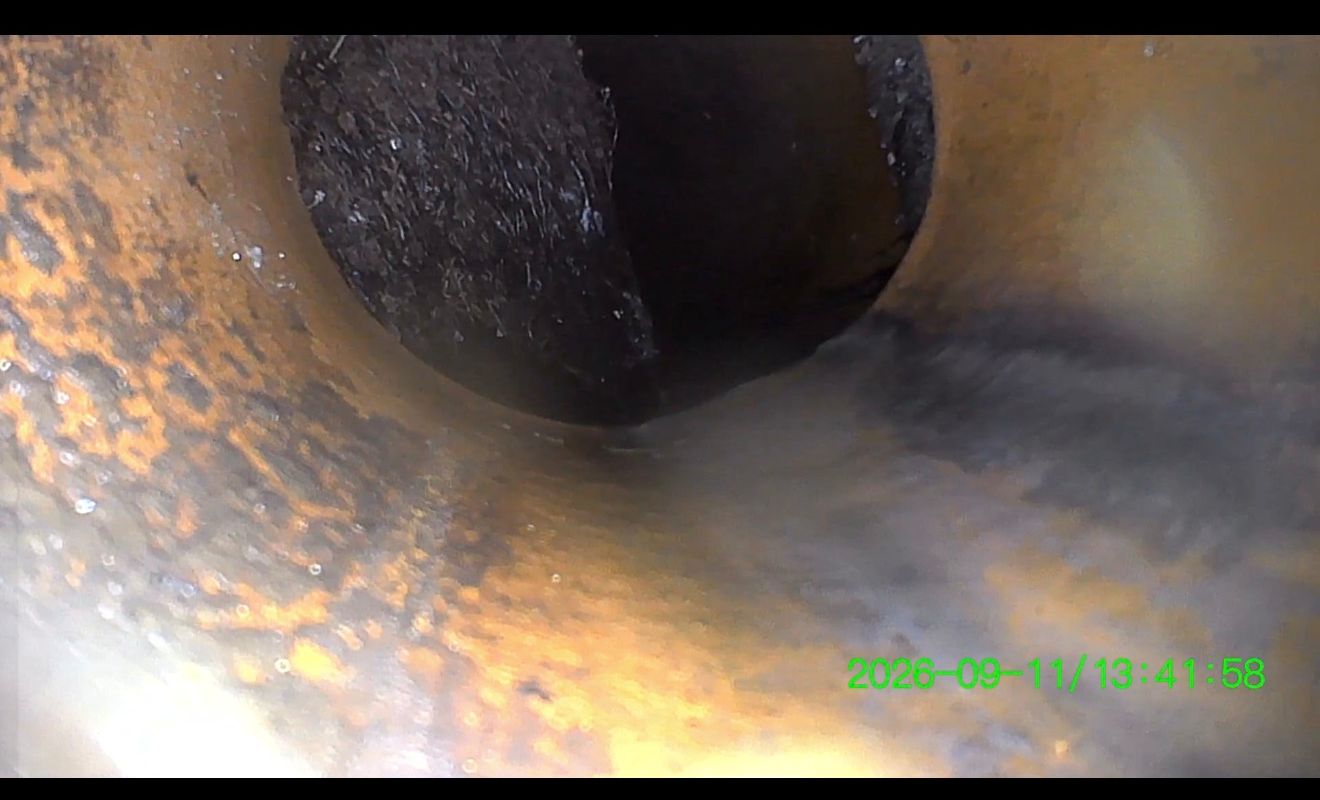
A cable can open a path through some clogs without removing the underlying cause. Recurring trouble may point to grease and scale, roots, a damaged section of pipe, or an offset joint.
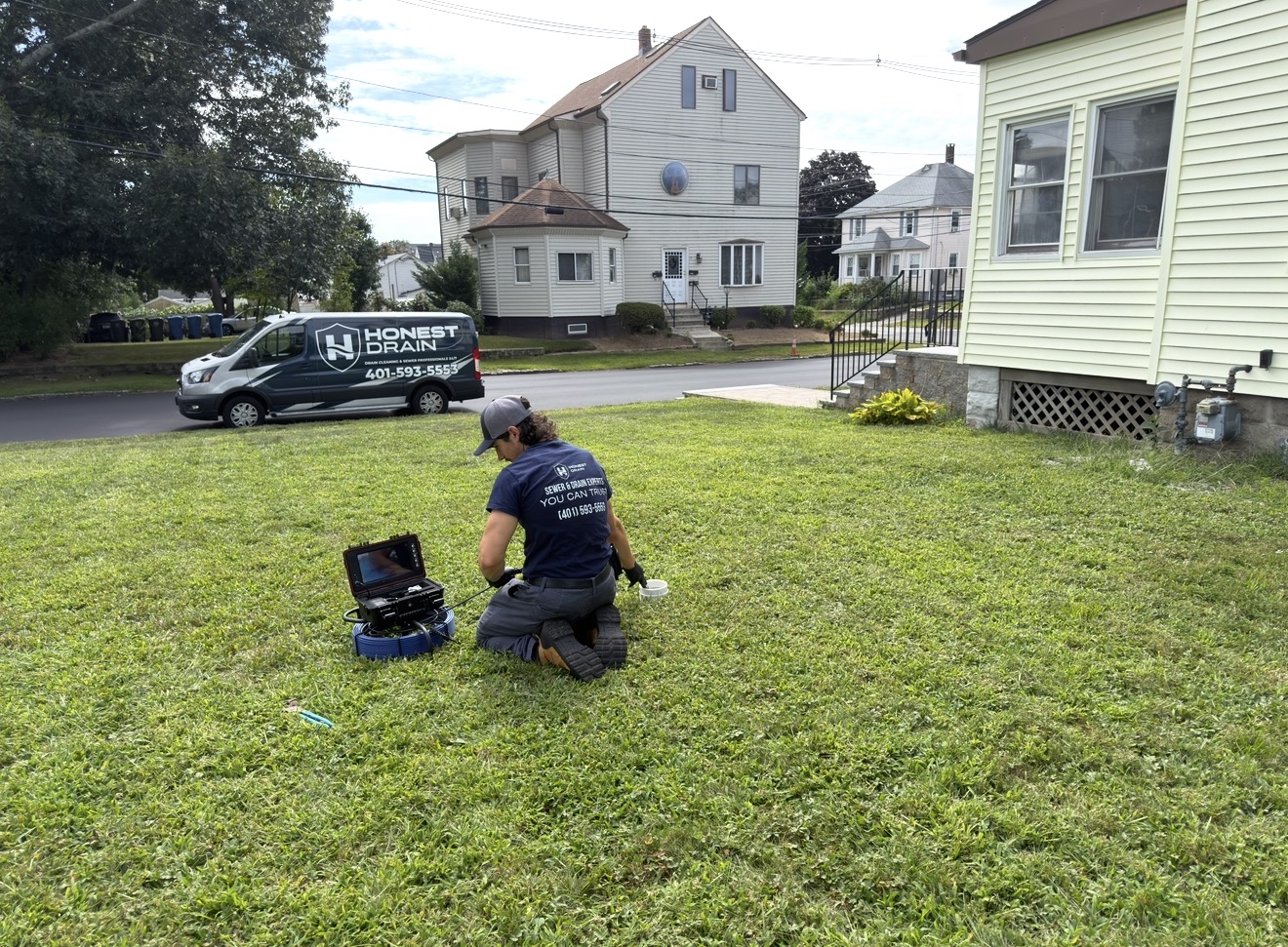
A sewer camera inspection can help locate and identify the problem after the line is open enough to inspect. That evidence makes it easier to choose between cleaning, targeted repair, or a larger replacement.
What to do while you wait for help
If several fixtures are affected, take a few practical steps:
- Stop running water and pause water-using appliances.
- Do not keep flushing a toilet to test whether the clog has cleared.
- Keep children and pets away from wastewater.
- Avoid chemical drain cleaners, which may remain in the line and expose whoever services it.
- Note which fixtures are affected, when the symptoms started, and whether the problem has happened before.
These details help a drain and sewer professional prepare the right equipment and narrow down the likely location.
When to schedule a main sewer line inspection
Call promptly when wastewater is entering the building, a cleanout is overflowing, or multiple drains have stopped moving. If the symptoms are mild but recurring, scheduling an inspection before the line closes completely can reduce disruption and help you understand the condition of the pipe.
Honest Drain can clear the line, inspect it when appropriate, and explain the findings in plain language. Book drain and sewer service or call (401) 593-5553 for an urgent problem.